
Who knew excessive alcohol consumption could lead to such a fancy medical condition, huh? I mean, nausea, vomiting, and abdominal pain – it’s like the holy trinity of party aftermath symptoms. When I was diagnosed with Alcoholic Ketoacidosis, I Oxford House was admitted to the hospital for immediate treatment. The medical team monitored my electrolyte levels and provided intravenous fluids to rehydrate my body. They also administered insulin to regulate my blood sugar levels and correct the ketoacidosis. Once the acute episode of alcoholic ketoacidosis has been treated, it is essential for individuals to make significant lifestyle changes to prevent future occurrences.
Risk Factors and Frequency for Alcoholic Ketoacidosis (Alcohol and Ketoacids)
Founded in 2014, medtigo is committed to providing high-quality, friendly physicians, transparent pricing, and a focus on building relationships and a lifestyle brand for medical professionals nationwide. Contact The Recovery Village Palmer Lake if you have questions about treatment or if you’re ready to get on the path to recovery and end your addiction to alcohol. Whether you are struggling with addiction, mental health or both, our expert team is here to guide you every step of the way. Don’t wait— reach out today to take the first step toward taking control of your life. He is an internationally recognised Clinician Educator with a passion for helping clinicians learn and for improving the clinical performance of individuals and collectives. He was one of the founders of the FOAM movement (Free Open-Access Medical education) has been recognised for his contributions to education with awards from ANZICS, ANZAHPE, and ACEM.
Alcohol Disorder Treatment at Sunlight Recovery
- Your prognosis will be impacted by the severity of your alcohol use and whether or not you have liver disease.
- If the vomiting and starvation go on for a day or more, the liver’s normal stores of sugar (glucose) decrease.
- 5, 12 Such accumulation is caused by the complex interaction stemming from alcohol cessation, decreased energy intake, volume depletion, and the metabolic effects of hormonal imbalance.
- Patients are usually tachycardic, dehydrated, tachypneic, present with abdominal pain, and are often agitated.
Alcoholic ketoacidosis is a serious condition triggered by heavy (or binge) drinking and poor nutrition. Typically observed between the ages of 20 and 60 years, it is extremely unpleasant, characterized by symptoms like vomiting and abdominal pain. For individuals struggling with chronic alcohol use, professional addiction treatment is vital for preventing AKA and achieving long-term recovery. Treating alcoholic ketoacidosis begins with addressing the underlying causes and stabilizing the patient. The first step is immediate medical intervention to correct dehydration and restore electrolyte balance. Management and prevention of Alcoholic Ketoacidosis (AKA) strongly rely on making significant lifestyle changes, particularly in relation to alcohol consumption and nutritional intake.
Recognizing Symptoms of Alcoholic Ketoacidosis
- It is estimated that over 14 million adults in the United States have an alcohol use disorder, and many of these individuals are at risk for developing complications such as alcoholic ketoacidosis.
- Initial IV fluids should contain added water-soluble vitamins and magnesium, with potassium replacement as required.
- It is important to note that the symptoms of alcoholic ketoacidosis can vary from person to person, and not everyone will experience all of the symptoms listed above.
The patient might be tachycardic, tachypneic, profoundly orthostatic, or frankly hypotensive as a result of dehydration from decreased oral intake, diaphoresis, and vomiting. The pathophysiology of alcoholic ketoacidosis is complex, involving https://ecoenergy.vn/alcohol-and-allergies-does-it-make-them-worse/ the excessive production of ketones, which, along with dextrose administration, can impact blood pH levels. The role of lactate, as well as the potential development of alkalosis or acid-base disturbances, is significant in understanding this condition.
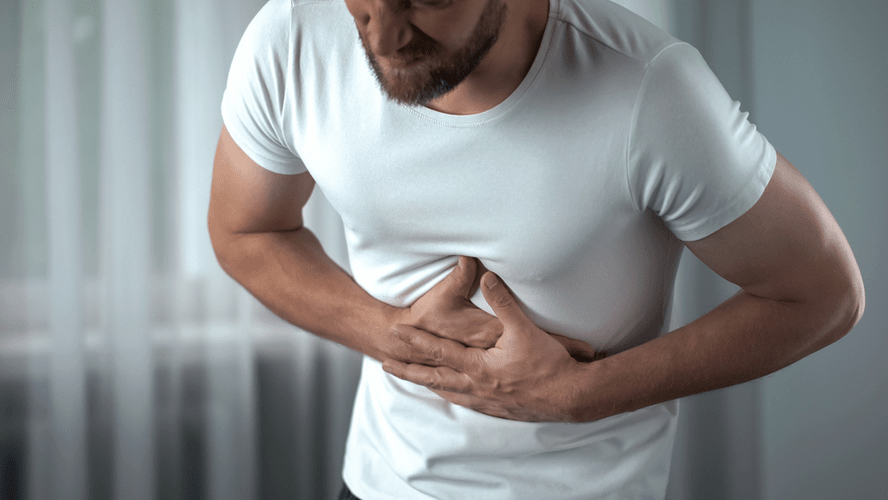
These imaging studies can help determine the extent of liver inflammation or injury, as well as identify any other underlying conditions that may be contributing to the patient’s symptoms. This can be accompanied by vomiting, which can further exacerbate the symptoms of the condition. The combination of nausea and vomiting can lead to dehydration, which can worsen the overall condition. Physically, patients may present with a high anion gap (a blood chemistry marker) and low blood sugar levels.
Related MedlinePlus Health Topics
Often, long-term alcohol users may also have non-ischemic cardiomyopathy, a condition where the heart muscles don’t work as they should. This could become apparent as fluid accumulation in the lungs when treating AKA. To identify and prevent these complications from becoming severe, sufficient and regular monitoring of both patients’ physical symptoms and biochemical tests is crucial.

Alcoholic Ketoacidosis: Effective Interventions For Patient Care
An individual may experience just one or several of these symptoms as alcoholic ketoacidosis sets in. If left untreated, the condition can progress until the symptoms become life-threatening. Ketone bodies are fat-derived fuels used by tissues at the time of limited glucose availability. Hepatic generation of ketone bodies is usually stimulated by the combination of low insulin alcoholic ketoacidosis treatment levels and high counter-regulatory hormone levels, including glucagon. DKA occurs more frequently with type 1 diabetes, although 10% to 30% of cases occur in patients with type 2 diabetes,2 in situations of extreme physiologic stress or acute illness.
How Common is Alcoholic Ketoacidosis (Alcohol and Ketoacids)?
Hypokalemia and increased anion-gap are usually seen with similar mechanisms to those seen in DKA. Regular physical activity is another key component of a healthy lifestyle that can help prevent AKA. Engaging in moderate-intensity exercise for at least 150 minutes per week has been shown to have numerous health benefits, including reducing the risk of metabolic disorders and improving overall well-being. The National Institute of Health (NIH) recommends incorporating a combination of aerobic, strength training, and flexibility exercises into a weekly routine. We also believe in making the right care easily accessible to everyone, so we provide personalized telehealth services to ensure that even those living in remote and underserved areas receive the care they deserve. We also provide medication management to reduce cravings and other symptoms related to alcohol use.